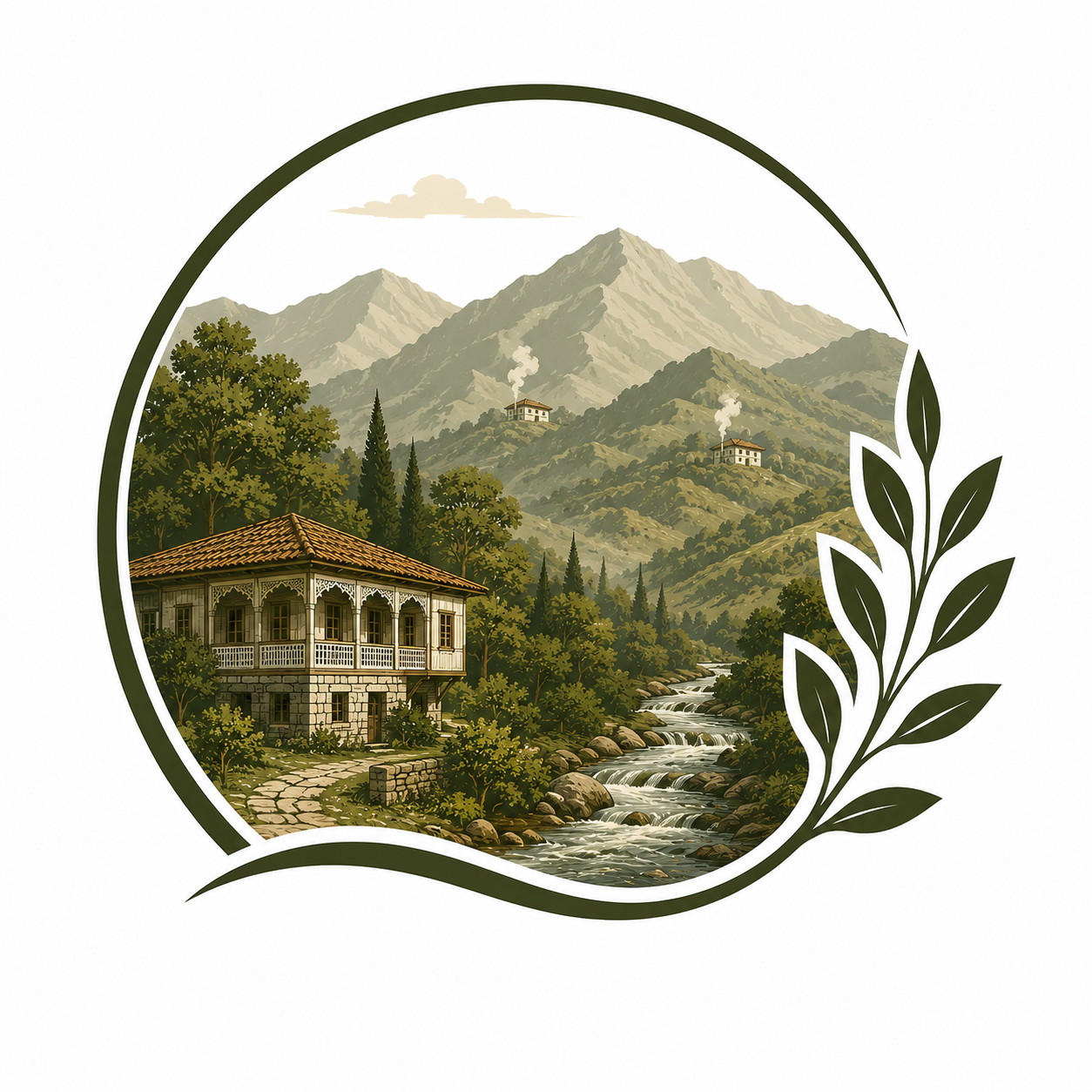
Opeti
Opeti is a beautiful village located in western Georgia, in the Imereti region, within the Samtredia Municipality. The village is situated approximately 240 meters above sea level and about 15 kilometers from the city of Samtredia. Around 240 people currently live in Didi Opeti and Patara Opeti.
The village is crossed by the Khevistskali River, which originates on the southern slopes of the Guria mountain range, at an elevation of around 850 meters near Mount Sakinule. The nature here is exceptionally green, peaceful, and diverse — forests, mountains, valleys, and fresh air make Opeti a truly special place.
History of the Name
According to academician Niko Ketskhoveli, the name “Opeti” may come from the word “Operi.” “Opi” refers to a species of black poplar tree that was once widely spread throughout this valley.
There is another theory suggesting that the name “Opeti” is connected to water. In old Georgian, the word “Opo” referred to a small reservoir or pond. Considering the village’s location, it is believed that a natural pond or water basin may have existed here in the past. The nearby village “Tsiaghubani,” which means “the neighborhood across the water,” further supports this theory.
Some researchers also believe that “Opeti” may be a Megrelian-Zan toponym. In the Megrelian language, the word “Rope” refers to a water container or wooden vessel.
History and Culture
Remains of X–XI century religious structures have been discovered in the territory of Opeti, confirming that people lived here more than a thousand years ago.
The village was deeply affected by World War II — 75 young people from Opeti lost their lives during the war.
The first school in Opeti was opened in 1920. In 1945, the school was moved to another location, and in 1970 the current school building was renovated. Today, the school director is Mzevinar Targamadze.
Nature and Village Life
Opeti is known for its peaceful environment, traditional Georgian village culture, and breathtaking landscapes. Even today, visitors can feel the atmosphere of old Imeretian village life — closeness to nature, hospitality, and the spirit of history.
 ოფეთი
ოფეთი 